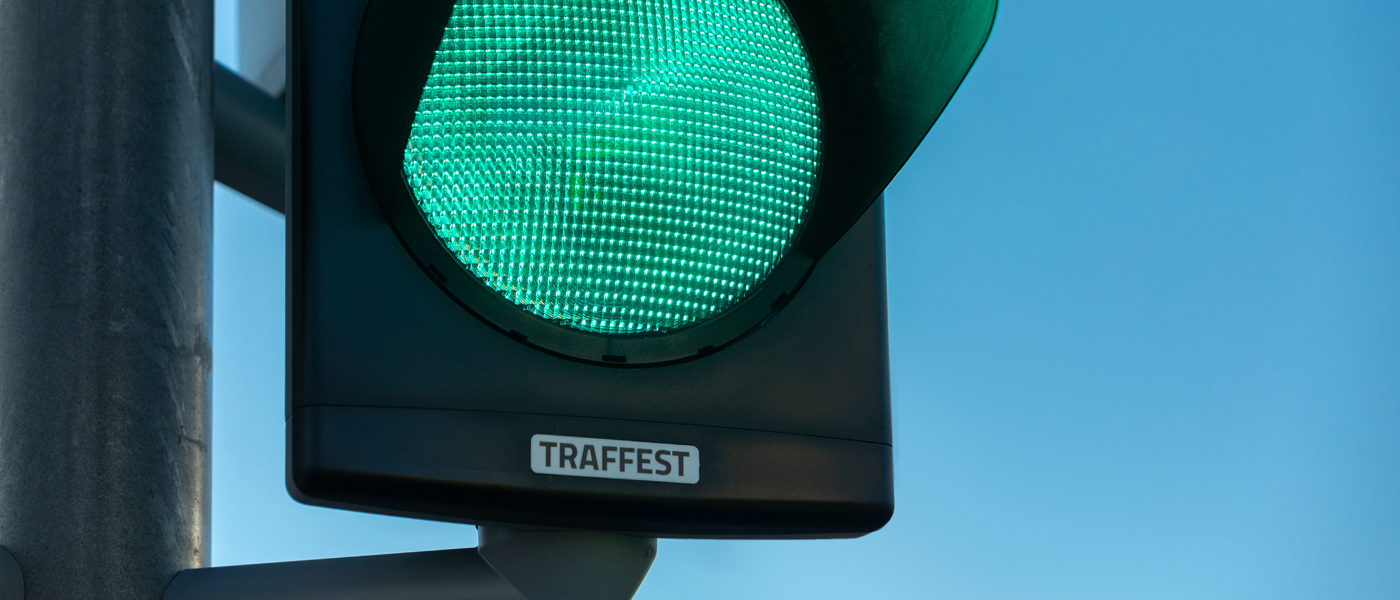
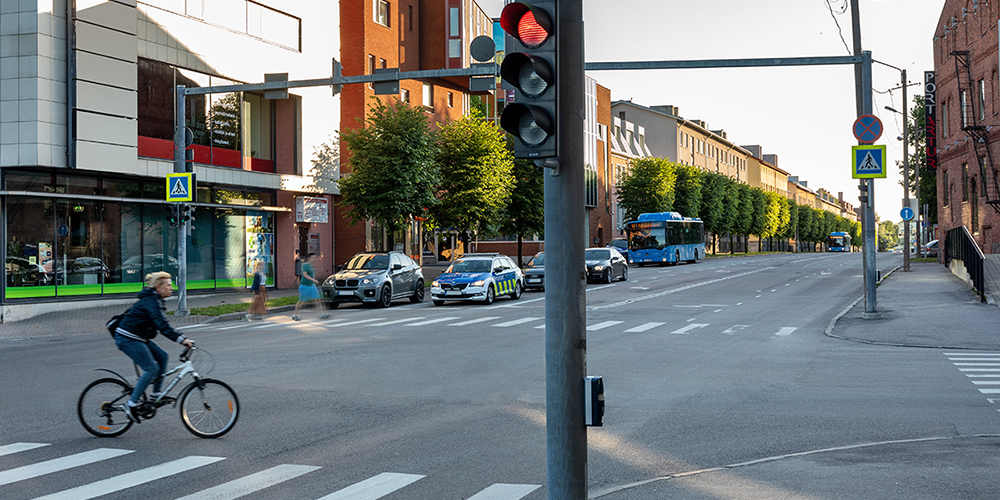
Since its foundation in 1991, TRAFFEST has dealt with the design, installation and maintenance of traffic light systems.
We have established traffic light systems in all of the Estonian cities and on highways, where there are intersections regulated with traffic lights, but we have also worked in Latvia and Lithuania.
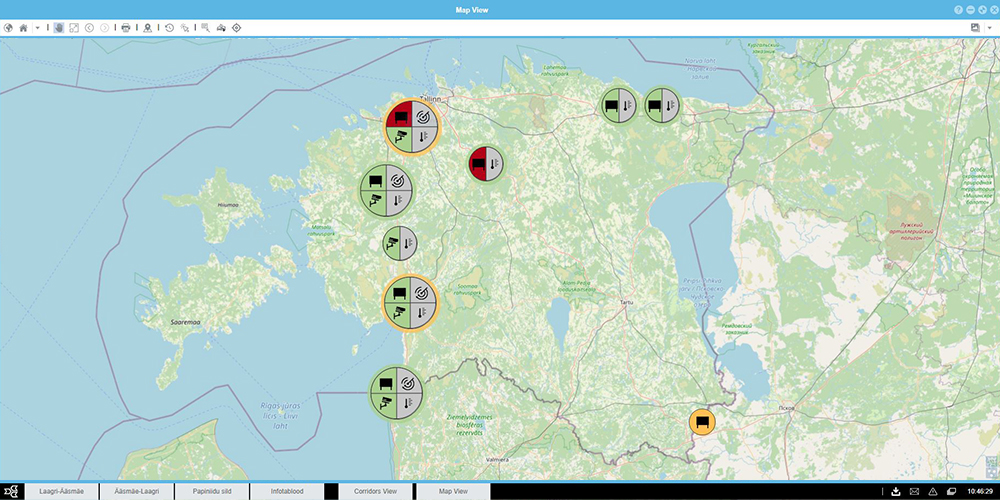
TRAFFEST has developed an environment for remote management and control of traffic light systems, which allows us to monitor intersections throughout Estonia from our traffic light centre. The software allows monitoring the status of the traffic lights, diagnose faults and partially correct them without driving to the intersection. We also monitor the traffic lights in Latvia and Lithuania from our traffic light centre.
Today’s traffic light systems are smart. It is possible to give a green enabling light to road users who arrived earlier at the intersection, give priority to some groups of road users and coordinate the intersections with each other to ensure a smoother flow of traffic – all of this using central management and traffic sensors.
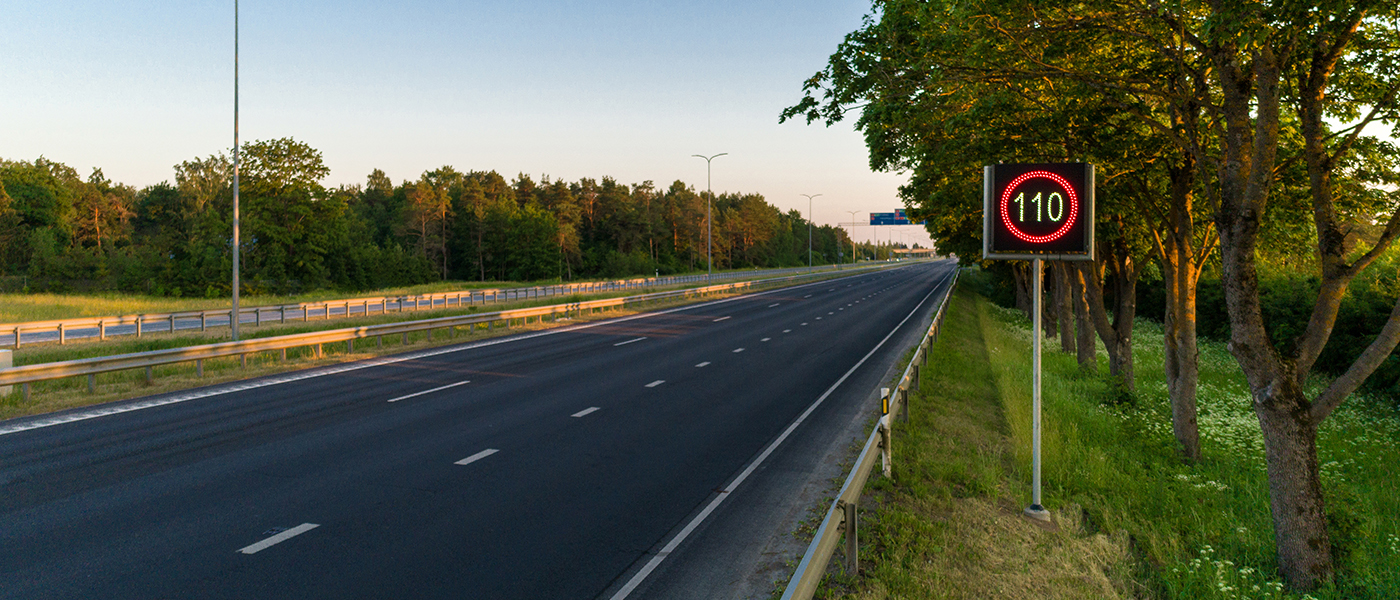
Since 2006, TRAFFEST has installed traffic signs with changing data in Estonia when the first such signs were installed at the Luhamaa and Koidula border inspection posts.
We use two types of signs: prismatic and LED signs.
The prismatic signs consist of three-dimensional prism panels, which can produce three different images on the sign when rotated on their axis. The possibility of three images is the largest limitation of prismatic signs. Their advantage is their slightly lower cost.
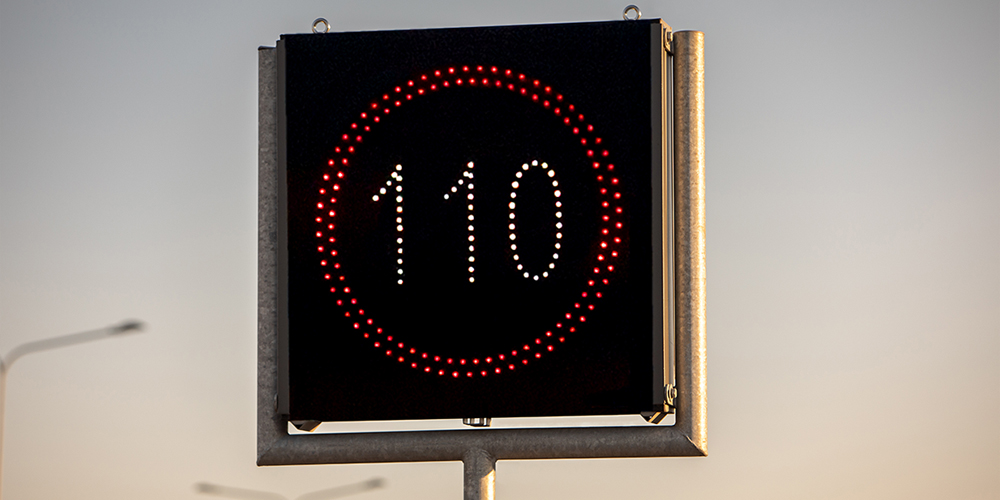
There are many different types of LED traffic signs starting with signs with a limited number of symbols, where the sign includes exactly as many LEDs, as it is known to require different traffic sign images, to full matrix RGB displays where you can display almost anything you want, in multiple colours.
TRAFFEST has installed LED speed limit signs and information displays on the 2+2 sections of the Tallinn-Pärnu and Tallinn-Tartu highways, as well as in the city of Tallinn.”
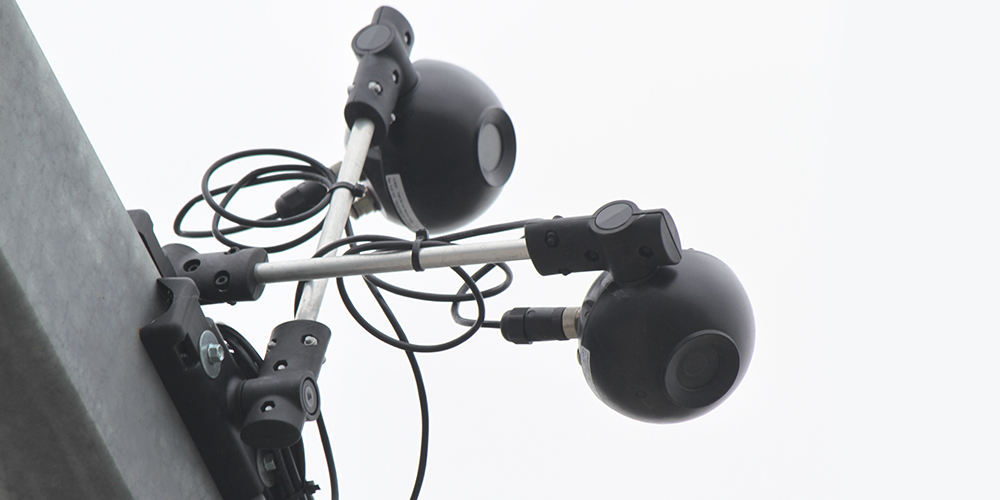
Traffic census and classification systems are used for identifying, counting and classifying vehicles, as well as for measuring speed. The aim is to collect statistical data and to operatively regulate traffic in connection with traffic flow changes.
TRAFFEST uses:
– video sensors
– thermal camera sensors
– infrared sensors
– sensors beneath the road cover
and many traffic sensors using other technologies, depending on the specific needs.”
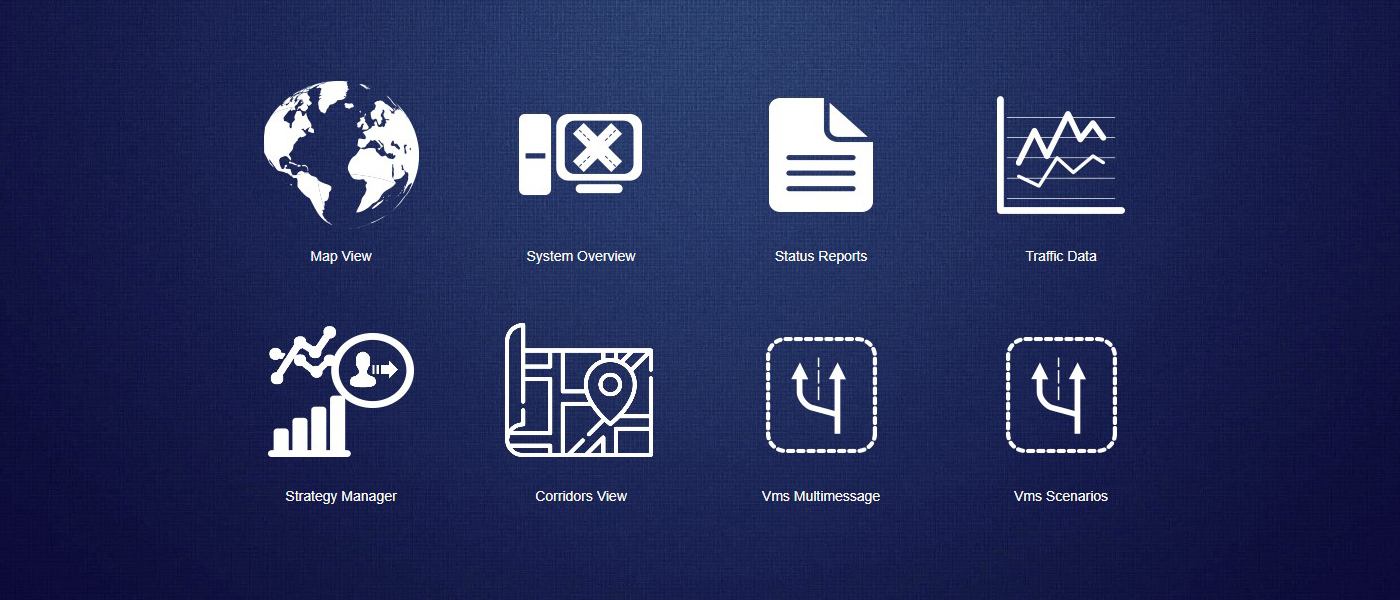
TRAFFEST deals with the integration of different systems into a complete traffic management system in order to make these systems fulfil the final aims established for the whole. This means that in addition to the physical installation and connection, connecting these systems with each other to specific software and developing a suitable interface.
Typical examples of integration of different systems:
– adaptive traffic light systems for intersections (traffic lights, traffic sensors)
– coordinated traffic management systems for intersections
– border crossing point traffic information systems (barriers, cameras, variable message signs, traffic lights, license plate recognition)
– traffic event detection and response systems (AID, cameras, variable mesaage signs, traffic lights) – highway traffic management systems (highway weather stations, traffic sensors, variable message signs)
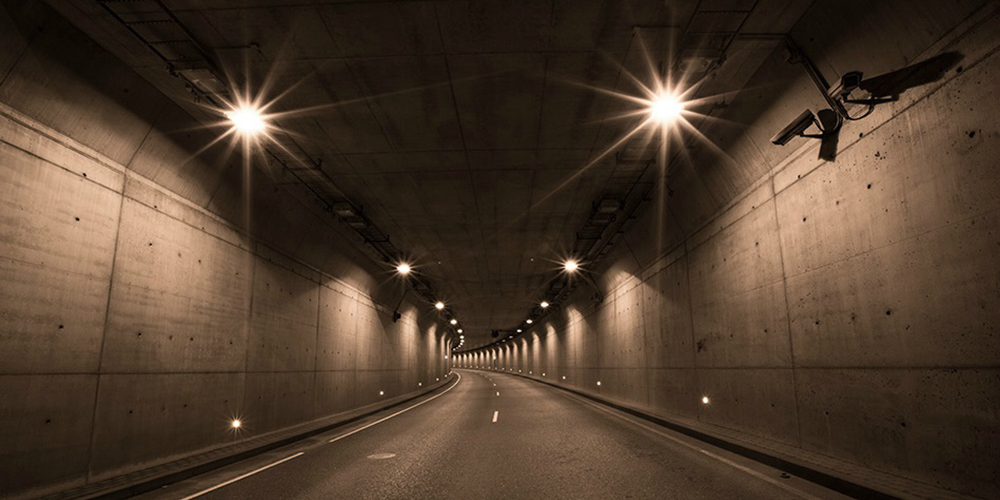
TRAFFEST installs cameras on highways and city streets to monitor traffic and road conditions.
TRAFFEST designs and installs different solutions for organising parking.
Parking systems allow for:
– restricting access to the parking area
– allowing authorised users in and out of the parking area – informing drivers of the full parking places
– organising mandatory rest periods for truck drivers
– organising paid parking
The automatic license plate detection system detects with a video camera the license plate and analyses it with special software, if necessary comparing the plate to those in the database.
Automatic license plate detection systems are mostly used to establish access rights in car parks and at border crossing points, also for security and statistical purposes.”