Since its foundation in 1991, TRAFFEST has dealt with the design, installation and maintenance of traffic light systems.
We have established traffic light systems in all of the Estonian cities and on highways, where there are intersections regulated with traffic lights, but we have also worked in Latvia and Lithuania.
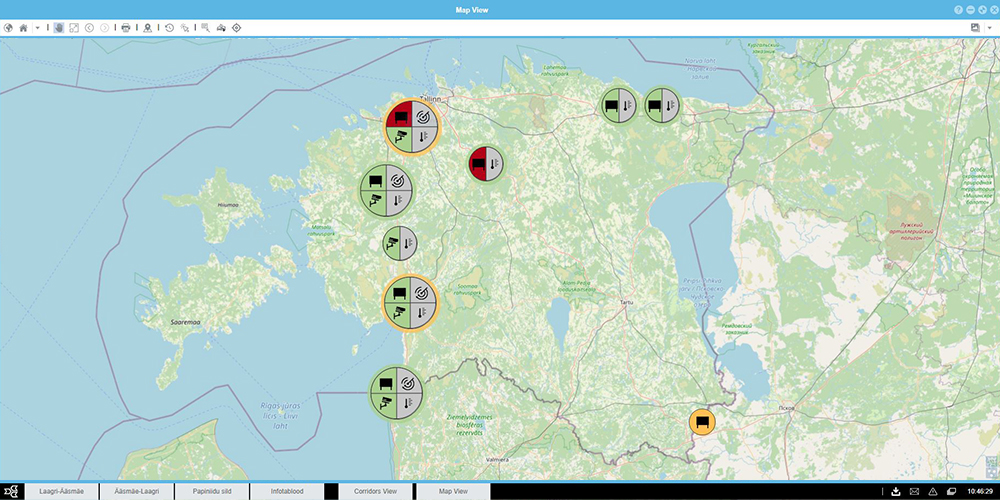
TRAFFEST has developed an environment for remote management and control of traffic light systems, which allows us to monitor intersections throughout Estonia from our traffic light centre. The software allows monitoring the status of the traffic lights, diagnose faults and partially correct them without driving to the intersection. We also monitor the traffic lights in Latvia and Lithuania from our traffic light centre.
Today’s traffic light systems are smart. It is possible to give a green enabling light to road users who arrived earlier at the intersection, give priority to some groups of road users and coordinate the intersections with each other to ensure a smoother flow of traffic – all of this using central management and traffic sensors.
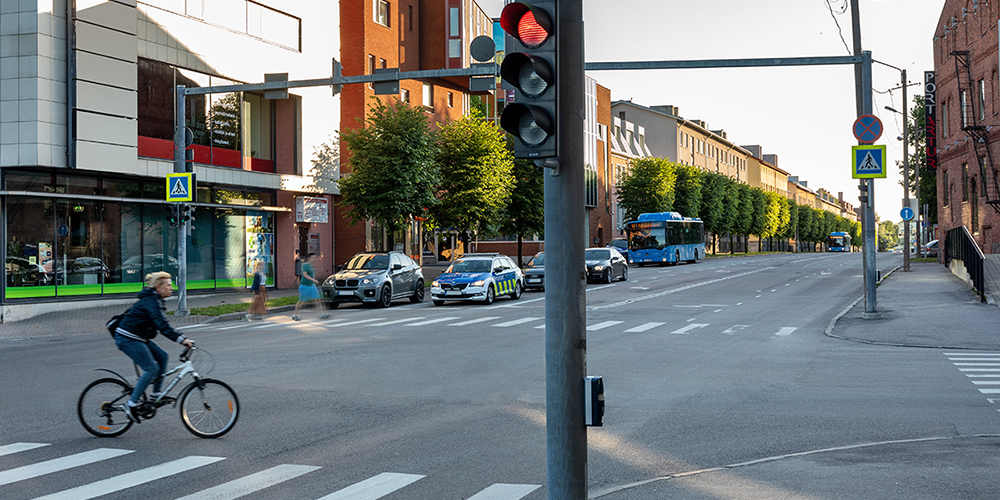
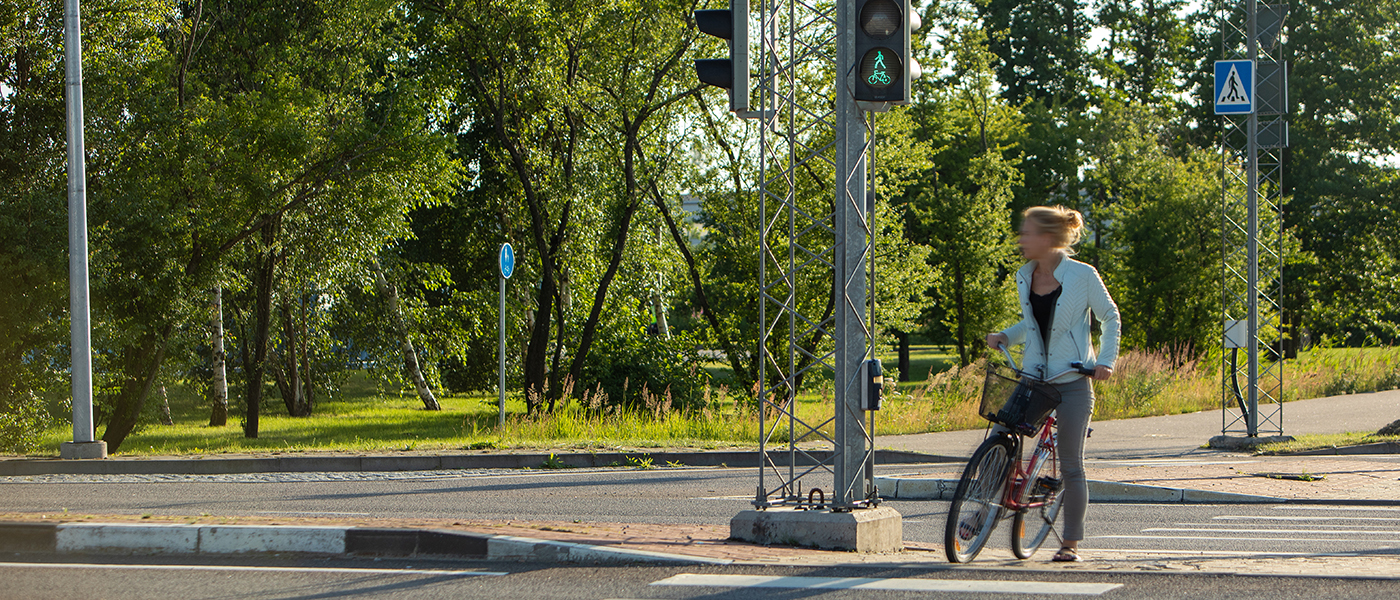
The priority system for road users is generally a part of the traffic light system. Preferential road users need to be detected prior to the intersection, if there is an agreement to favour a group of road users and given the advantage of crossing the intersection, prior to other road users.
Such groups of road users and reasons, depending on traffic policy, may include:
Public transport – we encourage the use of public transport
– lorries – reduce air pollution
– cyclists – we prefer light traffic
– pedestrians – areas of pedestrian priority
It is not possible to give priority to all road users at the same time, thus it is important to define a clear road policy in the area.”
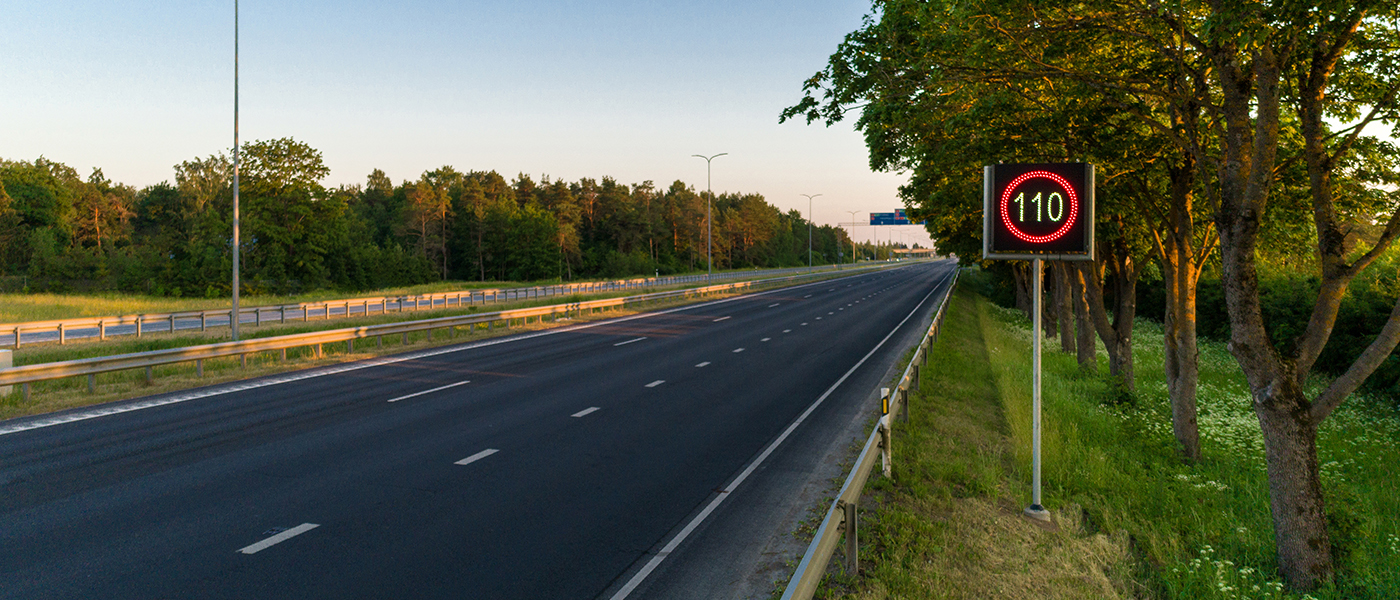
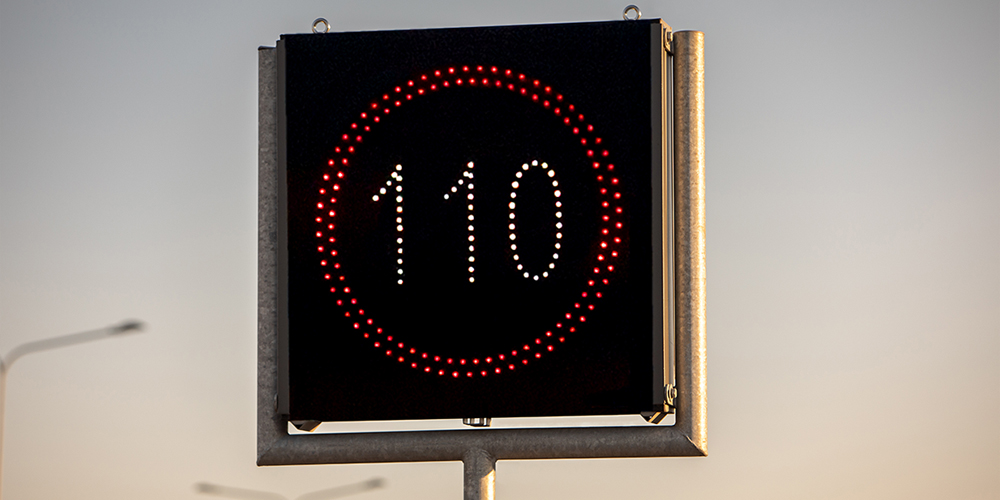
Since 2006, TRAFFEST has installed traffic signs with changing data in Estonia when the first such signs were installed at the Luhamaa and Koidula border inspection posts.
We use two types of signs: prismatic and LED signs.
The prismatic signs consist of three-dimensional prism panels, which can produce three different images on the sign when rotated on their axis. The possibility of three images is the largest limitation of prismatic signs. Their advantage is their slightly lower cost.
There are many different types of LED traffic signs starting with signs with a limited number of symbols, where the sign includes exactly as many LEDs, as it is known to require different traffic sign images, to full matrix RGB displays where you can display almost anything you want, in multiple colours.
TRAFFEST has installed LED speed limit signs and information displays on the 2+2 sections of the Tallinn-Pärnu and Tallinn-Tartu highways, as well as in the city of Tallinn.”
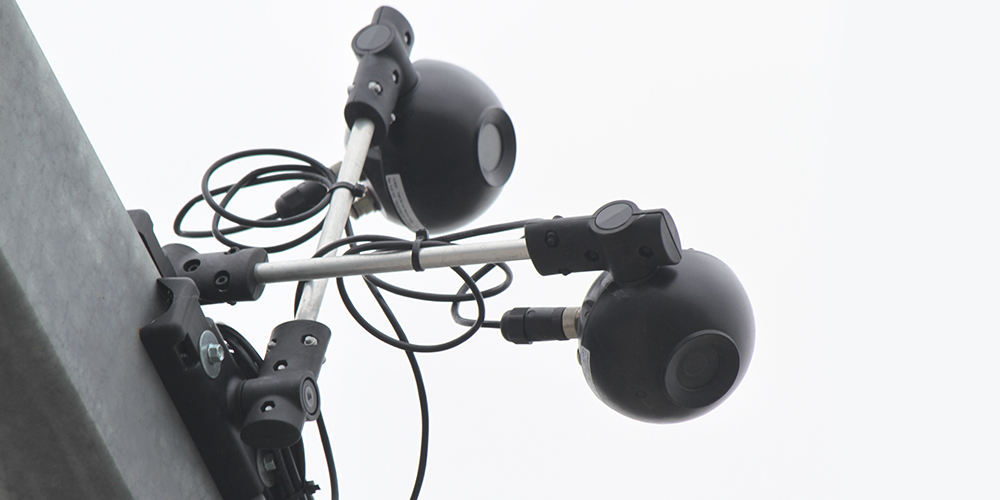
Traffic census and classification systems are used for identifying, counting and classifying vehicles, as well as for measuring speed. The aim is to collect statistical data and to operatively regulate traffic in connection with traffic flow changes.
TRAFFEST uses:
– video sensors
– thermal camera sensors
– infrared sensors
– sensors beneath the road cover
and many traffic sensors using other technologies, depending on the specific needs.”
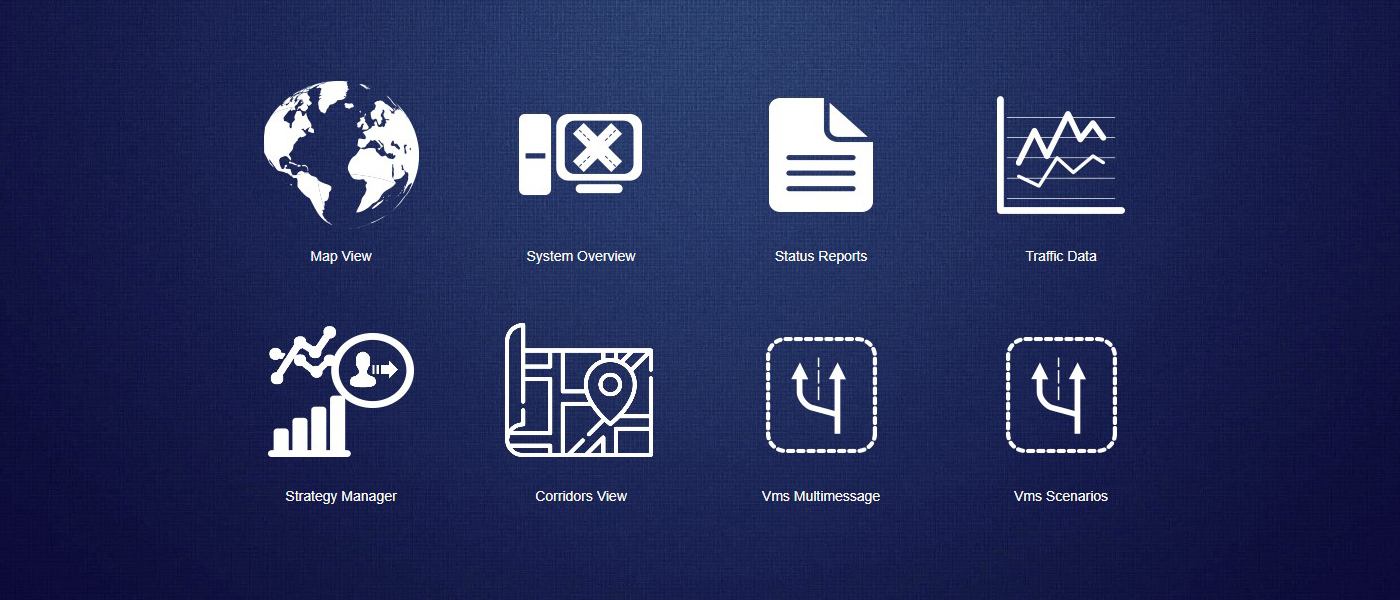
TRAFFEST deals with the integration of different systems into a complete traffic management system in order to make these systems fulfil the final aims established for the whole. This means that in addition to the physical installation and connection, connecting these systems with each other to specific software and developing a suitable interface.
Typical examples of integration of different systems:
– adaptive traffic light systems for intersections (traffic lights, traffic sensors)
– coordinated traffic management systems for intersections
– border crossing point traffic information systems (barriers, cameras, variable message signs, traffic lights, license plate recognition)
– traffic event detection and response systems (AID, cameras, variable mesaage signs, traffic lights) – highway traffic management systems (highway weather stations, traffic sensors, variable message signs)
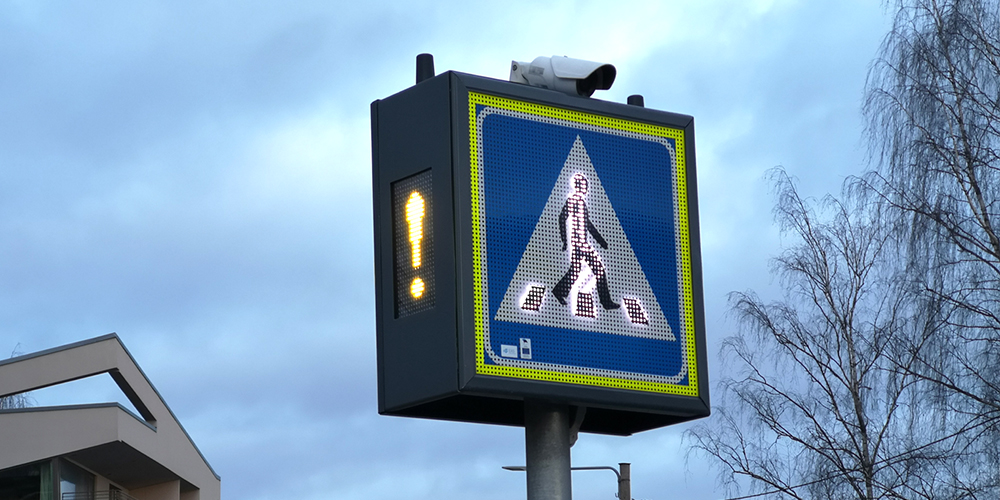
A smart traffic sign analyses traffic on and around the crosswalk and warns road users of collision hazards.
Functions:
– identification and census of all road users – visual and audible warning of road users
– measuring the speed of road users – measurement of air and road temperature
– classification of vehicles
– measurement of air pollution levels (CO2 and PM) Technical information:
– video analysis assisted detection
– LED displays and voice commands for warning
– real time data transmission to the IoT platform
– corresponds with the established requirements for means of regulating traffic, specified in the traffic legislation, Traffic control device requirements prescribed in the traffic Code (Class II retro reflecting film)
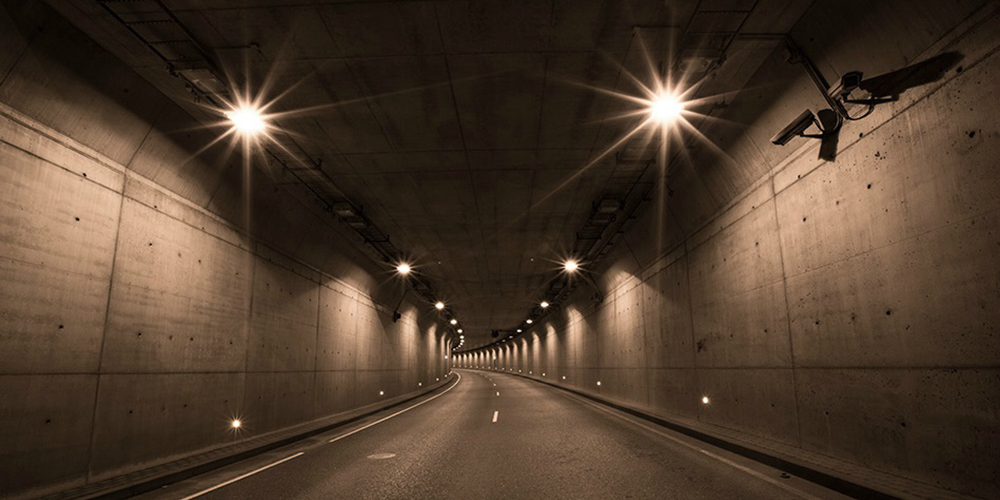
Traffic event detection systems are used for safety purposes in tunnels and on highways. Systems are based on video or radar technology.
The events that such systems detect are:
– a stopped vehicle
– a vehicle driving in the wrong direction
– a pedestrian on the road
– incidental items on the road
– significant decrease in visibility
– fire (still does not replace a fire alarm system)
– change in the average speed of the traffic flow (not applicable to a single car)
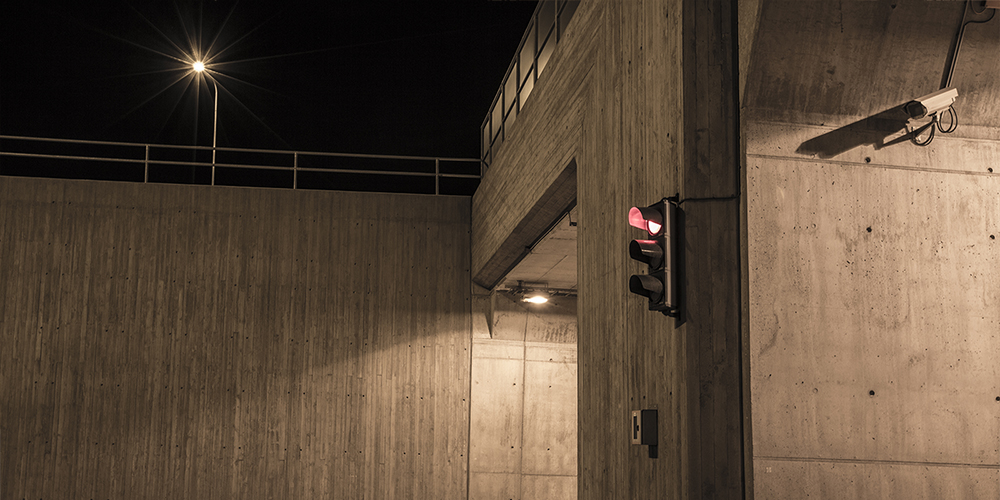
TRAFFEST installs cameras on highways and city streets to monitor traffic and road conditions.
The automatic license plate detection system detects with a video camera the license plate and analyses it with special software, if necessary comparing the plate to those in the database.
Automatic license plate detection systems are mostly used to establish access rights in car parks and at border crossing points, also for security and statistical purposes.”
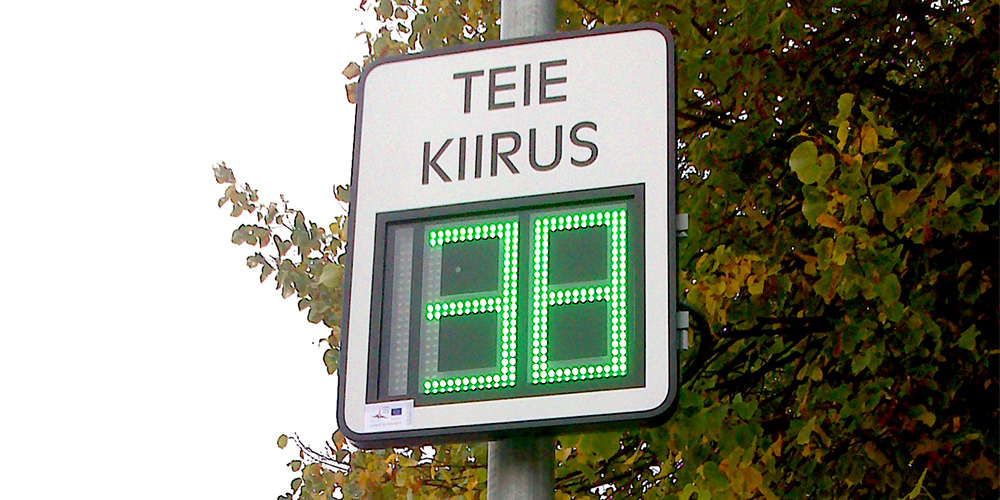
TRAFFEST installs speed displays on highways and city streets, as well as performs their maintenance.
The speed display shows the speed of the vehicle to the driver of the vehicle approaching the display, drawing additional attention of the driver to the speed limit, thus helping to improve road safety.
Speed displays are installed in places where the road owner wants to provide a stronger indication of the valid speed limit, such as in the proximity of schools and kindergartens where highways enter cities and the speed limit is sharply reduced or other places where systematic violations of the speed limit are detected.
The speed display may also include:
– a storage device for recording events, thus allowing to collect statistics on the speeds used on the given road
– a communication device that allows downloading of information from the speed display, without attaching wires to the device